
Chandan is one of the first scents many Indians ever know. It is in the tilak at the temple, the paste on a deity, the incense at home and the old wooden box in a grandparent’s cupboard. It is also the quiet base under a great many traditional attars.
But real Indian sandalwood has become scarce and very expensive, and most sandal you meet today is something else. This guide explains why, what the alternatives are, and how to choose a sandalwood attar honestly at your budget.
Indian sandalwood and the Mysore name
Indian sandalwood is the tree Santalum album. The fragrance is in its heartwood and roots, which are distilled to give a pale, thick oil with a soft, creamy, milky-woody smell that lasts for a very long time on skin and cloth.
The Mysore region of Karnataka became the name everyone linked with sandalwood. In the old Mysore state, sandalwood was treated as a royal tree, and its trade was controlled by the state.
When the First World War cut off sandalwood exports to Germany, the Maharaja of Mysore’s government backed work at the Indian Institute of Science in Bengaluru to distil the oil in India, and a Mysore distillery followed in 1916 to 1917. Today “Mysore Sandalwood Oil” is a registered Geographical Indication. That is why “Mysore sandal” still means the finest Indian sandalwood to many people.
Why real sandalwood is so scarce and expensive
- It grows slowly. The heartwood only starts to become fragrant after about ten years, and trees are usually not worth harvesting for twenty years or more.
- It was over-cut. Heavy harvesting, smuggling and habitat loss drove wild numbers down. Santalum album is listed as Vulnerable by the IUCN.
- It is tightly regulated. For decades, sandalwood trees in Karnataka and Tamil Nadu were controlled by the state, even on private land. Karnataka opened private cultivation in 2001 and loosened sales rules again in 2022, and India bans the export of sandalwood timber.
- Prices rose sharply. When sandalwood supplies were restricted in the late 1990s, oil prices climbed, and they have stayed high.
So when you see a cheap bottle called “pure Mysore chandan”, be careful. Our guide on real vs fake attar explains what to ask before you pay a premium.
Sandal: the traditional base of Indian attars
Sandalwood is not only an attar on its own. In the classic Kannauj method, flowers such as rose are distilled in a copper still, and the scented steam is led into a receiving pot of sandalwood oil. The sandalwood absorbs the flower, and the result is aged into an attar. That is why so many old attars share a soft, woody warmth underneath. Our rose attar guide walks through this method step by step.
Because sandalwood oil became so costly, many makers now use other bases, such as liquid paraffin, for everyday attars. These can smell good, but they are not the same thing, and a real sandalwood base is part of why fine traditional attars cost what they do. When a traditional attar is priced far higher than a modern blend, the base oil is often part of the reason.
Chandan in pooja, temples and dargahs
In Hindu worship, sandalwood is ground with water into chandan paste, which is applied to deities and worn on the forehead. Sandalwood also has a place in Sufi practice in the subcontinent, where sandalwood paste is offered at the graves of saints.
A chandan attar is a natural choice for prayer and festivals across communities, and our guide on who can wear attar explains why attar belongs to everyone. Our guide to attars for pooja and prayer has more ideas. Customs vary, so follow your family’s or your priest’s practice.
Australian and synthetic sandal
There is nothing wrong with sandal that does not come from Mysore. You just need to know what you are buying.
- Australian sandalwood (Santalum spicatum) is a different species. It has less of the santalol compounds that give Indian sandalwood its creaminess, so it smells drier and a little sharper. Australia also now grows large plantations of Indian sandalwood, Santalum album.
- Synthetic sandal notes are aroma materials made to give a creamy, woody sandal effect. They are consistent, affordable and do not depend on cutting trees. Many modern sandal scents use them, alone or alongside natural oil.
An honest shop will tell you which kind you are getting. If a price looks too good for real Indian sandalwood, it almost certainly is not.
Our sandal range, from everyday to finest
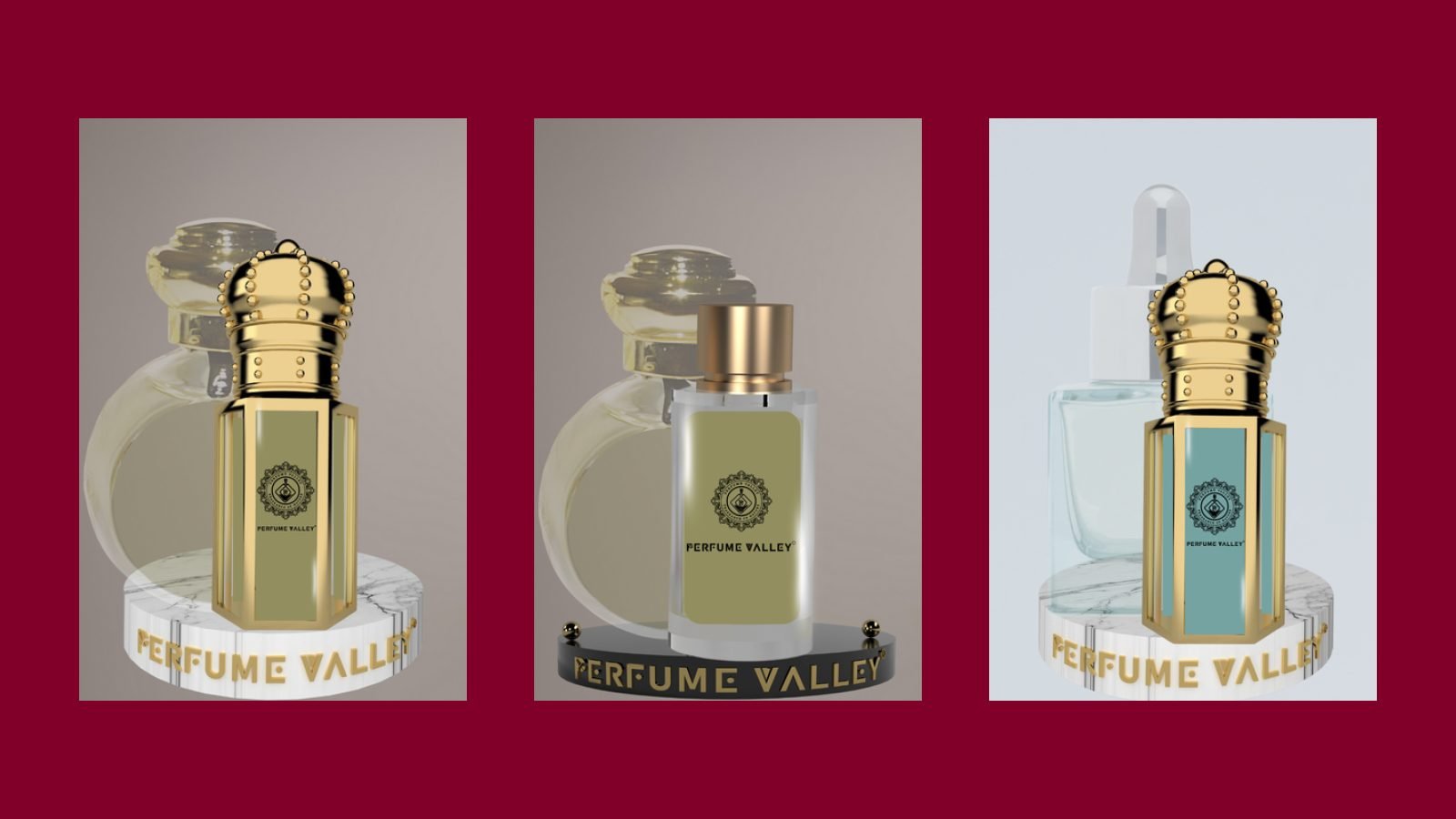
Here is our range in price order, so you can choose by budget. All are our own blends, and you can smell them side by side at our Hyderabad stores before you buy.
- PV Sandal Super Attar, from ₹149. An everyday unisex woody sandal at a price that makes daily use easy. Also as PV Sandal Super Pure Perfume, from ₹249.
- PV South Sandal Attar, from ₹199. Sandalwood at the top, violet at the heart and vetiver in the base. A softer, powdery sandal, listed for women.
- PV Sandal Special Attar, from ₹299. Floral, spicy and woody at the top, amber and sandalwood at the heart, musk and woods in the base. From our Luxe Edition, warm and a little sweet. Also as PV Sandal Special Pure Perfume, from ₹499.
- PV Ruh Sandal Attar, from ₹499. Part of our Natural Attars range, sold in 3ml, 6ml and 12ml. Also as PV Ruh Sandal Pure Perfume, from ₹999.
- PV Sandal Maliki Attar, from ₹749. Our top sandal, also in the Natural Attars range. For weddings, special occasions and gifts.
Ask us at the counter what goes into each one. We would rather you choose knowing exactly what you are paying for.
How and when to wear sandalwood attar
Sandal sits close to the skin and wears slowly, so it rewards patience. Dab it on your wrists and neck after a bath, or on your collar and cuffs, after checking on a hidden bit of fabric.
It is calm enough for the office and for prayer, and it suits all seasons: in summer, use one dab; in winter, it layers well under rose or oud. As with any attar, try a small patch of skin first if your skin is sensitive.
Questions people ask
What are the benefits of chandan attar?
We do not make health claims for any attar. Traditionally, chandan attar has been worn for prayer and festivals, used on clothes and prayer cloths, offered at temples and shrines, and used as the base for other attars because it holds and softens other scents. It is alcohol-free. If you have sensitive skin or allergies, do a patch test and ask your doctor.
Is sandalwood attar good for men?
Yes. Sandalwood is one of the most versatile woods for men: calm, warm and never loud. PV Sandal Super and PV Sandal Special are both unisex and work well for office, prayer and evenings. See our guide to the best attars for men for more.
Why is sandalwood attar so expensive?
Real Indian sandalwood grows slowly, was over-harvested, is listed as Vulnerable, and has long been tightly regulated in India. Its oil is costly, and a genuine sandalwood base adds to the price of any attar made on it. Affordable sandal attars usually use other sandal materials to give a similar effect.
Mysore sandalwood vs Australian sandalwood: what is the difference?
Mysore sandalwood is Indian sandalwood, Santalum album, famous for a soft, creamy, long-lasting smell. Australian sandalwood usually means Santalum spicatum, a different species with less santalol, so it smells drier and a little sharper. Some Indian sandalwood is now also grown on plantations in Australia. Each has its uses; what matters is that the seller tells you which one you are buying.
Does sandalwood attar suit summer?
It does. Sandal is soft rather than heavy, so it is comfortable even in Hyderabad heat. Use one small dab in summer and a little more in winter.