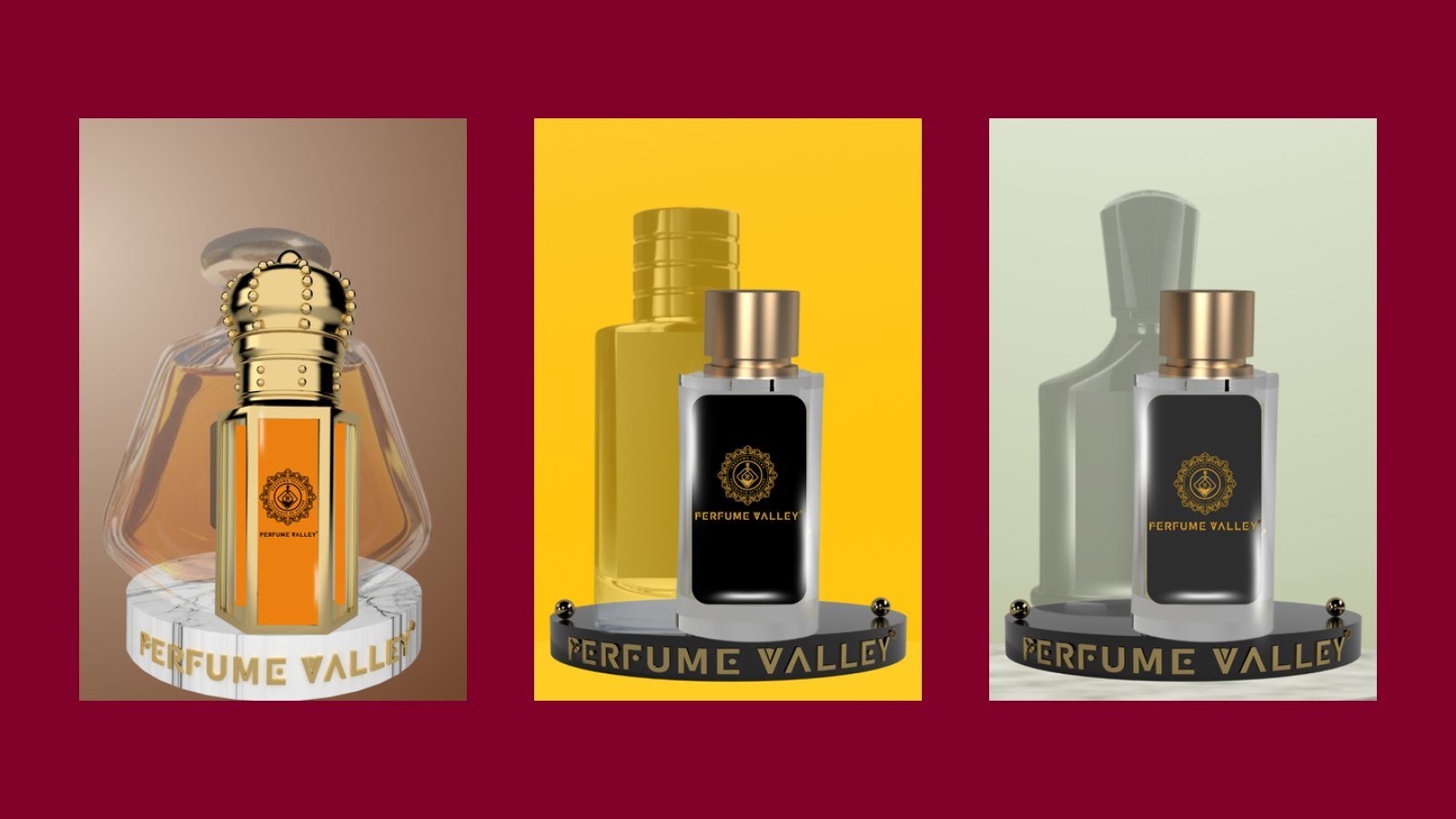
Khus attar is the smell of an Indian summer. Anyone who grew up with khus curtains on the windows, or a desert cooler with khus pads, knows it at once: earthy, green, a little smoky, like cool wet soil in the shade. This guide explains what khus is, how ruh khus differs from khus attar, what it smells like, and how to wear it when the heat is at its worst.
Shop this guide
Khus and vetiver picks
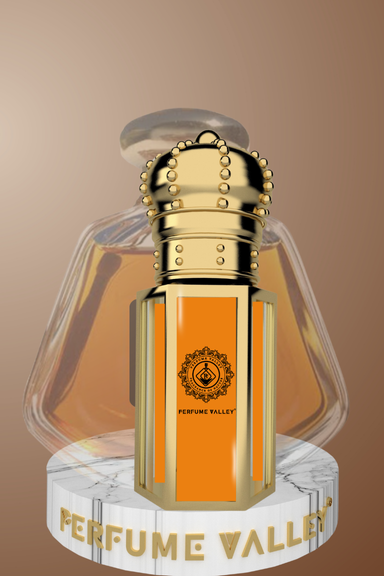
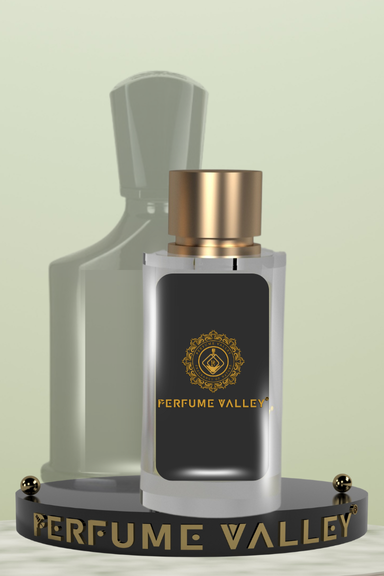
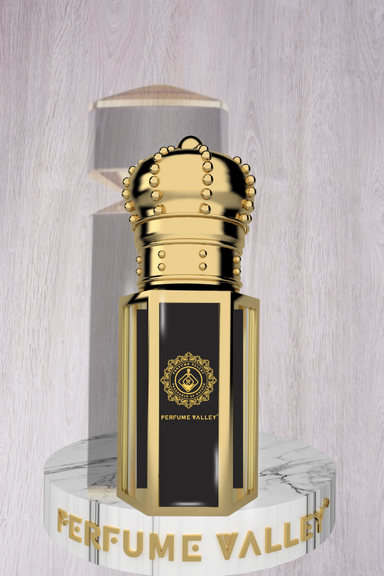
Pick your size in Add to cart. Free delivery on orders over ₹3,000.
What khus is
Khus is the root of vetiver, a tall, clumping grass with the botanical name Chrysopogon zizanioides. It grows across India, especially along rivers and in the wetter plains. The grass above ground has little smell. All the fragrance lives in the dense, fibrous roots, which are dug up, washed, dried and then distilled.
The plant has many names across India:
- Khus or khas: the Hindi and Urdu name, from Persian.
- Ushira: the Sanskrit name, found in old texts on perfume and Ayurveda.
- Vetiver: from the Tamil vettiver, roughly “root that is dug up”. This is the word perfumers use worldwide.
- Vala or valo: common in Gujarati and Marathi.
One common mix-up: khus is not khus khus. Khus khus is poppy seed, used in Hyderabadi and Mughlai cooking. The two share a sound and nothing else.
Ruh khus vs khus attar
You will see both names on bottles. Traditionally they mean two different things.
- Ruh khus. Ruh means soul or spirit. Ruh khus is the oil distilled from vetiver roots on its own, with no base. It is thick, dark amber to brown, very concentrated and intensely earthy. Like a good wine, it is said to smooth out and improve with age.
- Khus attar. Traditionally, khus roots were distilled in a copper still and the fragrant vapour was collected into sandalwood oil in a receiver. This is the old deg-bhapka method of Kannauj. The result is softer and rounder than ruh khus, with sandalwood smoothing the root. Today many khus attars are blended on other bases.
In short, ruh khus is the strong, undiluted root oil, and khus attar is a gentler, wearable version. Our overview of traditional attars puts khus in context alongside mitti, majmua and mukhallat.
What khus smells like
Vetiver is one of the most complex materials in perfumery. Depending on the root and the distillation, khus can show several sides.
- Earthy. Damp soil, roots, the ground under a tree after watering.
- Green. Fresh-cut grass and stems, slightly bitter.
- Smoky. A dry, faintly burnt edge, stronger in darker oils.
- Woody and nutty. Dry wood with a hint of roasted nut, especially in the drydown.
It is not sweet and not floral. That is exactly why people love it in hot weather: it smells shaded and calm rather than heavy. It is also long-lasting, because vetiver is a base note. The opening may feel sharp and rooty, then it settles into a soft, dry earthiness that stays for hours.
Khus in the Indian summer
Few scents are as tied to a season as khus is to the Indian summer.
- Khus tatties. Screens woven from vetiver roots were hung in doorways and windows and splashed with water. As the hot wind blew through, the air came in smelling fresh and earthy. The modern desert cooler with khus pads works on the same idea.
- Khus sherbet. A green khus syrup mixed with cold water or milk is a classic summer drink in many Indian homes. The bright green colour is added; the flavour comes from khus.
- Khus attar. Wearing khus in May and June is a long tradition across north India and Hyderabad, because it feels cool on the skin in the heat.
That association with relief from the heat is why khus is still one of the first attars people ask for when the temperature climbs. For more on choosing scents by season, read our guide to perfume for Indian summers and winters.
Our khus attar: PV Ruh Khus
Our khus is the PV Ruh Khus Attar. Like a few of our premium attars, it comes in three sizes only: ₹369 for 3ml, ₹749 for 6ml and ₹1,499 for 12ml. Like all our attars, it is an alcohol-free perfume oil that you dab on, so it stays close to the skin.
Khus is a scent you really need to smell for yourself, because no two people describe it the same way. At our stores in Mehdipatnam, Tolichowki and Shaikpet you can try it at the counter, open every day from 11am to 11pm. A 3ml bottle is the cheap way to live with it for a week before buying more. Delivery across India takes 4 to 7 days.
How to wear khus attar in the heat
Khus is forgiving, but summer heat makes every attar stronger. A light hand works best.
- Apply after a bath. Clean, cool skin gives the cleanest result.
- Use one or two dabs. Wrists and the sides of the neck are enough. In heat, less really is more.
- Try your clothes. A dab on a cotton kurta, a handkerchief or a cap stays fresh for hours, away from sweat. Test a hidden spot first, as darker oils can mark pale fabric.
- Refresh in the evening. A single dab after sunset brings the scent back as the air cools.
- Do not rub. Dab and let it settle on its own.
Our guide to how to apply attar covers pulse points and clothes in more detail.
Pairing khus with rose, mitti and more
Khus is a superb partner because it is earthy without being loud.
- Khus and rose. A classic summer pairing. Rose adds petals and sweetness, and khus keeps it grounded and cool. Dab rose on the wrists and khus on the neck, or one over the other.
- Khus and mitti. Root and rain-soaked earth: the smell of the first monsoon shower. Many traditional majmua blends combine the two.
- Khus and sandalwood. Sandalwood softens khus into something creamy and calm, close to the old attar style.
- Khus and citrus. A light citrus perfume sprayed over a dab of khus gives a bright, fresh opening with an earthy drydown.
For more pairings, see how to layer attars and perfumes. For every other traditional name, from mogra to shamama, see our A–Z of attar names.
Vetiver in our perfumes. Vetiver also turns up in modern sprays, where it plays a supporting role: clean, dry and woody rather than the dense earth of an attar. Our PV Sovage Super Pure Perfume, among our most-ordered perfumes online, has vetiver in its heart with lavender, geranium and Sichuan pepper, over ambroxan, cedar and labdanum. It starts at ₹499 for a 30ml glass bottle. PV Aventas Absolute Pure Perfume rests on patchouli and vetiver under pineapple, blackcurrant and spice, also from ₹499. PV Why Pure Perfume is a fresh, minty scent with vetiver, cedar, incense and musk in the base, from ₹349. In attar form, PV Tyger Attar pairs grapefruit and ginger with vetiver, patchouli and musk, ₹149 for 3ml.
Questions people ask
What is khus attar made from?
Khus attar is made from the roots of vetiver grass, Chrysopogon zizanioides. Traditionally the roots were distilled and the vapour captured in sandalwood oil. Ruh khus is the root oil on its own, without a base.
Is khus attar good for summer?
Yes, it is the classic Indian summer attar. It smells earthy and green rather than sweet, so it never feels heavy in the heat. People have worn it in summer for generations because it feels cool.
Is khus the same as khus khus?
No. Khus is vetiver root, used for fragrance, curtains and sherbet. Khus khus is poppy seed, used in cooking. The names sound alike but the plants are unrelated.
Can women wear khus attar?
Of course. Khus is unisex and suits anyone who likes earthy, green scents. Women often pair it with rose or jasmine for a softer result.
How long does khus attar last?
Vetiver is a base note, so khus usually lasts for many hours on skin and longer on clothes. Heat and sweat shorten wear time on skin. A dab on a cotton cuff or handkerchief keeps it going through the day.
