Spend ten minutes in an oud shop and you will hear the seller talk about Hindi, Cambodi, Borneo and Qadeem as if they were different drinks. They are the trade names for the main types of oud. Some point to where the agarwood traditionally came from, some to how the oil was made, and some to how old it is. Here is what each name means, in plain language.
Shop this guide
Oud attars by style
Pick your size in Add to cart. Free delivery on orders over ₹3,000.
Why oud has “types” at all
Oud is the fragrant resin that forms inside agarwood trees when they are wounded or infected. Our guide to what oud is explains the process. The trees, mainly Aquilaria and the related Gyrinops, grow across a wide arc of Asia. They run from Assam and north-east India through Thailand, Cambodia and Vietnam to Malaysia and Indonesia, with Gyrinops also in Sri Lanka.
Each region has its own tree species, soil and climate, and its own way of distilling. So the oil smells different from place to place, in the same way tea from Assam tastes different from tea from Darjeeling. Traders came to name oud by origin.
One thing to keep in mind: on a bottle today, an origin name often describes a style rather than guaranteeing where the wood grew. Treat it as a guide to the character, not a certificate.
The main types of oud by origin
| Type | Name in the trade | Character it is known for |
|---|---|---|
| Indian (Assam) | Hindi, Dehn al Oud Hindi | Deep, earthy, leathery and animalic, with a strong “barnyard” edge |
| Cambodian | Cambodi | Sweeter and fruitier, often called jammy or honeyed, with leather underneath |
| Thai | Thai oud | Sweet, fruity and woody, close to the Cambodian style |
| Malaysian, Indonesian | Borneo, Malay, Indo | Lighter, greener and cleaner, sometimes almost fresh |
| Sri Lankan | Sri Lankan oud | Bright and sweet, usually on the lighter side |
| Middle Eastern | Arabian blends, mukhallat | Not a growing region but a blending style: oud with rose, saffron, amber and musk |
- Hindi oud. Indian oud, especially from Assam, is the old reference point for the whole category. Traditionally the wood is soaked for a long time before distillation, and that soaking is part of why Hindi oils smell so deep, earthy and animalic. It is the most powerful style and the one people either love or find difficult.
- Cambodi oud. Cambodian oils are usually described as smoother and sweeter, with fruit and honey over the wood.
- Borneo and Malaysian oud. Oils from Borneo and the Malay region are generally lighter and cleaner. They suit people who like the wood but not the funk.
- The Middle Eastern tradition. The Gulf does not grow agarwood, but it is the great home of wearing it. Arabian perfumery blends oud oil with Taif rose, saffron, amber and musk into mukhallat, and burns oud wood at home and at gatherings. Much of what Indians think of as “Arabic oud” is this blending style.
Dehn al oud, oud chips, bakhoor and oud perfume
The same wood ends up in several very different forms:
- Dehn al oud. Dehn means oil. This is the oil distilled from the wood, worn like an attar, a drop at a time.
- Oud chips. Pieces of resinous wood burned on charcoal or an electric burner. The smoke scents a room, clothes and hair. Chips are judged by how much dark resin they carry.
- Bakhoor. Wood chips or powder soaked in perfume oils, often with resins and sugar, then dried or pressed. It burns sweeter and more perfumed than plain chips. Our guide to what bakhoor is shows how to burn it.
- Oud in perfume. Most modern oud sprays and blended oud attars use a small amount of oud oil, an oud accord built by perfumers, or both, combined with other notes. They are cleaner, more consistent and far more affordable than pure oil.
Aged oud: what qadeem and moattaq mean
Like some wines, oud oil changes as it rests. Over years in a sealed bottle, its sharp, green and sour edges round off and the oil becomes smoother and richer. Sellers mark aged oils with Arabic and Urdu words:
- Qadeem means old.
- Moattaq (also written muattaq) means aged or matured.
So “Oud Cambodi Moattaq” reads as “aged Cambodian oud” and “Hindi Qadeem” as “old Indian oud”. Aged oils are prized and priced accordingly. For why oud costs what it does, read our guide to oud grades.
Cultivated vs wild oud
Wild agarwood has been harvested so heavily that it is now rare in many forests. All Aquilaria and Gyrinops species are listed under CITES Appendix II, which means international trade in them has to be controlled.
Much of today’s oud comes from plantations in India, Southeast Asia and Sri Lanka. Growers wound or inoculate the trees on purpose to trigger the resin, and can harvest within years rather than waiting decades for nature.
- Wild oud is usually older resin, deeper and more complex, and very expensive.
- Cultivated oud tends to be lighter and more consistent, and is the reason oud is now within reach of ordinary buyers. It is still agarwood, and it takes pressure off the wild trees.
Our oud attars, by the style their names point to
Our oud attars carry these traditional trade names. We describe them only by their listed notes. The names point to a style, and we do not present them as single-origin agarwood distillates.
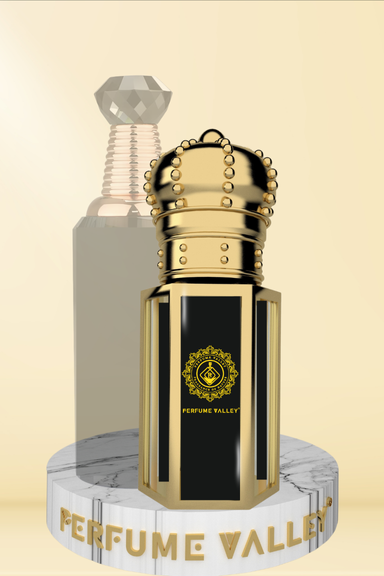
- Hindi style: PV Dehn Oud Hindi Attar is a rich, composed blend. It opens with oud, kyara incense, Damask rose, saffron, cardamom and black pepper, with a long list of fruit and herbs. The heart has myrrh, olibanum, guaiac wood, cedar, rose and jasmine. The base is oud, tobacco, leather, amber, cypriol, sandalwood, vetiver and oakmoss. From ₹2,999 for 3ml.
- Old Hindi style: PV Dehn Oud Hindi Qadeem Attar is listed simply as a woody fragrance with agarwood as its key note. From ₹3,999 for 3ml.
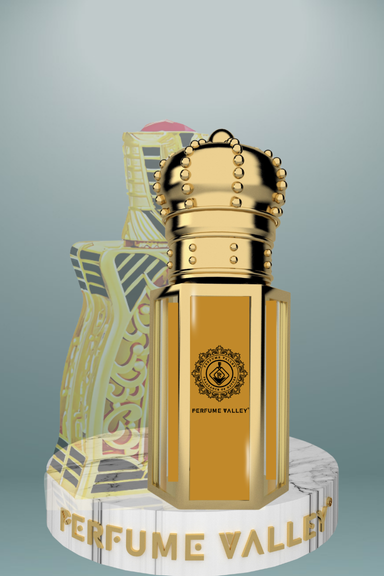
- Aged Cambodi style: PV Oud Cambodi Moattaq Attar is listed with agarwood as its key note and described as fresh and woody. From ₹3,749 for 3ml.
- Spiced oud: PV Oud Seufi Attar is listed with agarwood as its key note in an oud and spice family. ₹4,499 for 3ml.
- Incense oud: PV Oud Ameeri Luxe Attar pairs agarwood with incense and woody notes. It is an oriental, smoky-woody take, for those who like the scent of burning oud chips.
- Arabian blending style: PV Oud Khaas Attar opens with apple, bergamot and lemon, moves into rose and saffron, and settles on oud, sandalwood and vanilla. It is the classic rose-saffron-oud idea, from ₹499 for 3ml.
- Spiced amber oud: PV Royal Oud Super Attar is listed for men, with oud, patchouli, nutmeg, clove, saffron, labdanum, amber, vanilla, lavender and vetiver. From ₹499 for 3ml.
- Entry point: PV Oud Al Layl Attar is the gentle start, from ₹149 for 3ml. Be aware that its listed notes do not include oud at all: mandarin, nutmeg and pink pepper, then birch leaf, elemi, vetiver and violet, then incense and musk. It is an incense-and-musk evening scent in the oud mood, not an oud oil.
For the darker, smokier end of the shelf, see our guide to black oud. Men choosing a spray rather than an oil should read our guide to oud perfume for men.
How to try different types of oud
- Start with a blend. A rose-saffron oud such as PV Oud Khaas shows you whether you like the wood at all, at a low price.
- Then compare styles. Buy 3ml of two contrasting premium ouds, one in the Hindi style and one in the Cambodi style. Wear one on each wrist on the same day.
- Give it time. Oud oils change a lot over the first hour, so judge the drydown.
- Use very little. One small dab is enough. Strong oud oils can overwhelm people around you.
The easiest test is in person. At our stores in Mehdipatnam, Tolichowki and Shaikpet, open every day from 11am to 11pm, you can try any of these ouds at the counter before you buy. Our premium ouds come in 3ml, 6ml and 12ml, so you never have to commit to a big bottle first.
Questions people ask
What are the different types of oud?
Oud is usually grouped by origin: Indian (Hindi or Assam), Cambodian, Thai, Malaysian and Indonesian (often sold as Borneo), and Sri Lankan. The Middle East is known for its blending tradition rather than for growing agarwood. Oud is also grouped by form, such as oil, chips and bakhoor, and by age.
Which type of oud is best?
There is no single best type. Hindi oud is the deepest and most animalic, Cambodian is sweeter and smoother, and Borneo styles are lighter and cleaner. The best one is the style you enjoy wearing, so try two side by side before you choose.
What is Hindi oud?
Hindi oud means Indian oud, traditionally from Assam and the north-east. It is known for a deep, earthy, leathery and animalic character. In the Arabic trade the oil is called Dehn al Oud Hindi.
What does moattaq mean in oud?
Moattaq, also written muattaq, means aged. An aged oud oil has rested for years, which smooths its sharp edges. Qadeem, meaning old, is used in the same way.
Is cultivated oud as good as wild oud?
It is different rather than worse. Cultivated oud comes from plantation trees where the resin is triggered on purpose, so it is usually lighter and more consistent than old wild oud. It is still agarwood, and it is now the main source of oud worldwide.
