
No flower is closer to Indian life than the rose. It is in the garland at a wedding, the petals at a temple or dargah, the gulab jal on a hot evening and the attar in an uncle’s pocket. But the words around it get mixed up. Ruh gulab, rose attar and rose water are three different things, at three very different prices. This guide sorts them out and helps you choose a rose you will actually enjoy wearing.
Rose attar, ruh gulab and gulab jal: three different things
Ruh gulab. Ruh means soul or essence, so ruh gulab is “the soul of the rose”. In the attar trade it means the pure essential oil distilled from rose petals, with nothing added. Perfumers elsewhere call this rose otto. It takes thousands of kilos of petals to make a single kilo of oil, which is why true ruh gulab is one of the most expensive materials an attar maker handles.
Rose attar (gulab attar). A traditional attar is made by distilling petals into a base oil, classically sandalwood oil. The rose scent is captured by the oil, which is then aged. So a rose attar is rose carried in a wood base, softer and warmer than pure ruh, and far more affordable. Our guide to sandalwood attar explains that base oil on its own.
Gulab jal (rose water). When roses are distilled, the steam condenses into water. Most of the rose oil separates out, and the fragrant water left behind is rose water. It is a by-product of the same process. It is lovely for sprinkling, cooking and freshening a room, but it holds very little scent compared with an oil, and it fades within minutes on the skin.
| Ruh gulab | Rose attar | Gulab jal | |
|---|---|---|---|
| What it is | Pure distilled rose oil | Rose distilled into a base oil | Scented water from distillation |
| Strength | Very concentrated | Concentrated, softened by the base | Light |
| Price | Very high | Moderate to high | Low |
| Typical use | Tiny amounts, special occasions, blending | Daily wear, prayer, festivals | Sprinkling, cooking, room and face freshening |
Many products are sold as “ruh gulab” that are really rose blends. That is not always dishonest, since the name is also used for a style, but it is worth knowing the difference. Our guide on real vs fake attar explains what to look for.
Kannauj and the deg-bhapka tradition
Kannauj in Uttar Pradesh has been making attar for centuries and is often called India’s perfume capital. Its rose attar is still made in many places by the old deg-bhapka method:
- Damask rose petals, picked by hand early in the morning, go into a large copper still called a deg with fresh water.
- The lid is sealed with a clay mix, and the deg is heated over a wood fire.
- The rose-scented steam travels through a bamboo pipe into a copper receiver called a bhapka, which holds sandalwood oil and sits in a tank of water to keep it cool.
- The steam condenses and the sandalwood oil absorbs the rose. The run takes several hours, and it is repeated with fresh petals until the oil is strong enough.
The oil is then aged before it is sold. A popular local story credits the Mughal empress Noor Jahan with a love of rose attar that helped make it famous. It is a story, not recorded history, but it tells you how long rose has been at the heart of Indian perfume.
Taif, Bulgarian and Indian rose
Most perfume rose is the damask rose, Rosa damascena. Where it grows changes its character.
- Taif rose is grown in the mountains around Taif in Saudi Arabia. It is a thirty-petal variety harvested in spring, and its oil is among the most prized in Arabian perfumery. In Arabic, rose is ward, so “Ward Taifi” simply means rose of Taif.
- Bulgarian rose comes mainly from the Rose Valley near Kazanlak, one of the world’s major rose oil regions.
- Indian rose for attar is grown around Kannauj and nearby districts, where it is usually distilled into sandalwood in the traditional way.
Soil, climate and method all shape the result, so a rose from each place smells a little different. You do not need to chase one origin. Choose the rose you enjoy on your own skin.
Rose in pooja, weddings and Eid
Rose runs through Indian customs of every community. Petals are offered at temples and laid on chadars at dargahs. Gulab jal is sprinkled on guests at weddings, and rose is a favourite for the haldi, mehendi and nikah alike. At Eid, a dab of rose attar before the morning prayer is a familiar habit in many homes.
For choosing scents for these moments, see our guides to attars for pooja and prayer and our wedding perfume guide. Rose is also a gentle choice if you want to add perfume to wedding cards.
Is rose only for women?
Not at all. In India and the Gulf, men have worn rose attar for generations. The modern favourite for men is rose paired with oud: the rose softens the wood and the oud makes the rose deeper and drier. If a pure rose feels too pretty for you, a rose-oud is the place to start. For more on why attar has no fixed gender or community, read who can wear attar.
Our rose range
These are our own blends, from simple rose to rose with oud or musk. You can try every one of them at our Hyderabad stores before you buy.
Classic rose
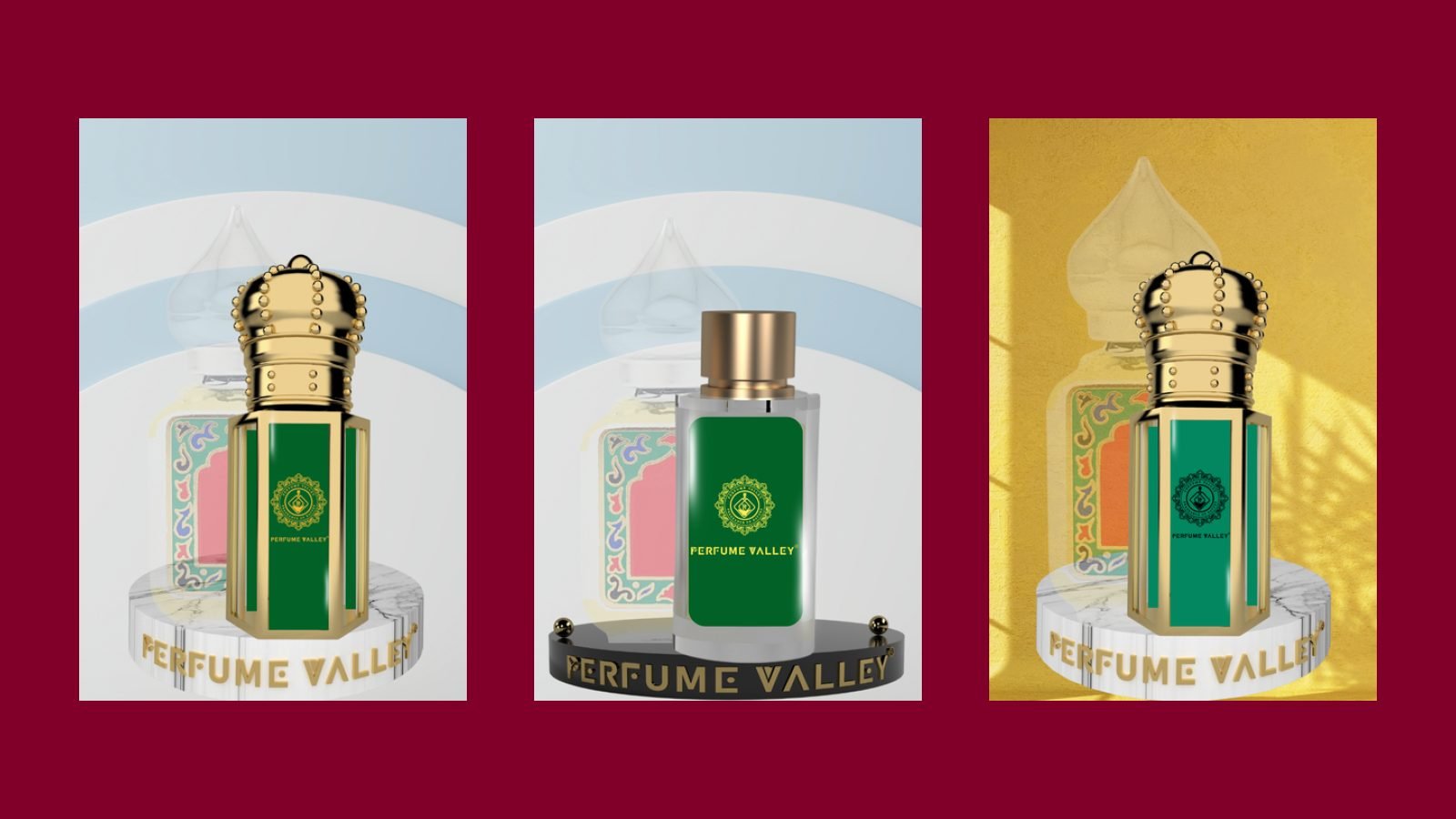
- PV Ruh Gulab Attar, from ₹299. Our everyday rose attar in the ruh gulab style, a straightforward floral for men and women. It is also made as a spray, the PV Ruh Gulab Pure Perfume, from ₹499.
- PV Ruh Gulab Luxe Attar, from ₹749. Our premium rose, sold in 3ml, 6ml and 12ml, and part of our Natural Attars range. Choose this for weddings, Eid and gifts.
Rose with oud
- PV Rose Oud Attar, from ₹149. Bulgarian rose, saffron and cinnamon at the top, litchi and rose at the heart, and oud, cedar, guaiac wood and nagarmotha in the base. The easiest rose for men.
- PV Oud & Roses Super Attar, from ₹299. Another rose-and-oud blend, from our Luxe Edition. A good pick for evenings and occasions.
- PV Oud Ward Taifi Attar, from ₹499. The name means oud and Taif rose. Listed for women and part of our Natural Attars range.
Rose with musk
- PV Musk Rose Attar, from ₹149. A bright, clean rose: aldehydes on top, English rose and violet at the heart, and musk in the base. Good for office and daytime.
If you like rose as part of a wider floral blend, our guide to Jannat al Firdaus attar covers a classic blend with jasmine and rose at its heart.
Attar or Pure Perfume?
A rose attar is an alcohol-free oil that you dab on, and it sits close to you. Our Pure Perfume is an alcohol-based Eau de Parfum spray, quicker to apply and with more spread in the first hour. For prayer, or if you prefer to avoid alcohol on the skin, choose the attar. For a quick spray before work, choose the Pure Perfume.
The attar also works well on a kurta collar or a handkerchief; test on a hidden patch of fabric first.
When to wear rose
Rose is one of the few scents that works in every Indian season. In summer, use a single dab of a light rose or musk rose. In winter, rose-oud blends come into their own. Apply a new attar on a small patch of skin first and wait a day, especially if your skin is sensitive.
Questions people ask
What is ruh gulab?
Ruh gulab means “the soul of the rose”. Strictly, it is the pure oil steam-distilled from rose petals, also called rose otto. Because it needs a huge weight of petals, pure ruh gulab is very expensive. The name is also used more loosely for rose-forward attars in the same style, so ask the seller what is actually in the bottle.
What are the benefits of rose attar?
We will not make health claims for any attar. What we can tell you is how rose attar has traditionally been used: worn for prayer and festivals, dabbed on clothes and handkerchiefs, offered at shrines, given as a gift at weddings and Eid, and used to scent a room or a wardrobe. It is alcohol-free, which many people prefer for prayer. If you have sensitive skin or allergies, do a patch test and check with your doctor.
Is rose attar good for men?
Yes. Men in India and the Gulf have worn rose attar for a long time. If a pure rose feels too floral for you, try a rose with oud, such as PV Rose Oud Attar, where the wood makes the rose drier and deeper.
What is the difference between rose water and rose attar?
Rose water is the scented water left over when roses are distilled. It is light, cheap and fades from the skin in minutes. Rose attar is an oil: the rose is captured in a base oil such as sandalwood, so it is concentrated and lasts for hours. You sprinkle rose water; you dab rose attar.
Can I use rose attar for pooja?
Many families do. A little rose attar on a cotton swab or the prayer cloth is a common custom, and it is alcohol-free. Practices differ from home to home and temple to temple, so follow your own family’s or priest’s guidance.